Revitalising a Neighbourhood by Saving a Valued Community Centre
Content by

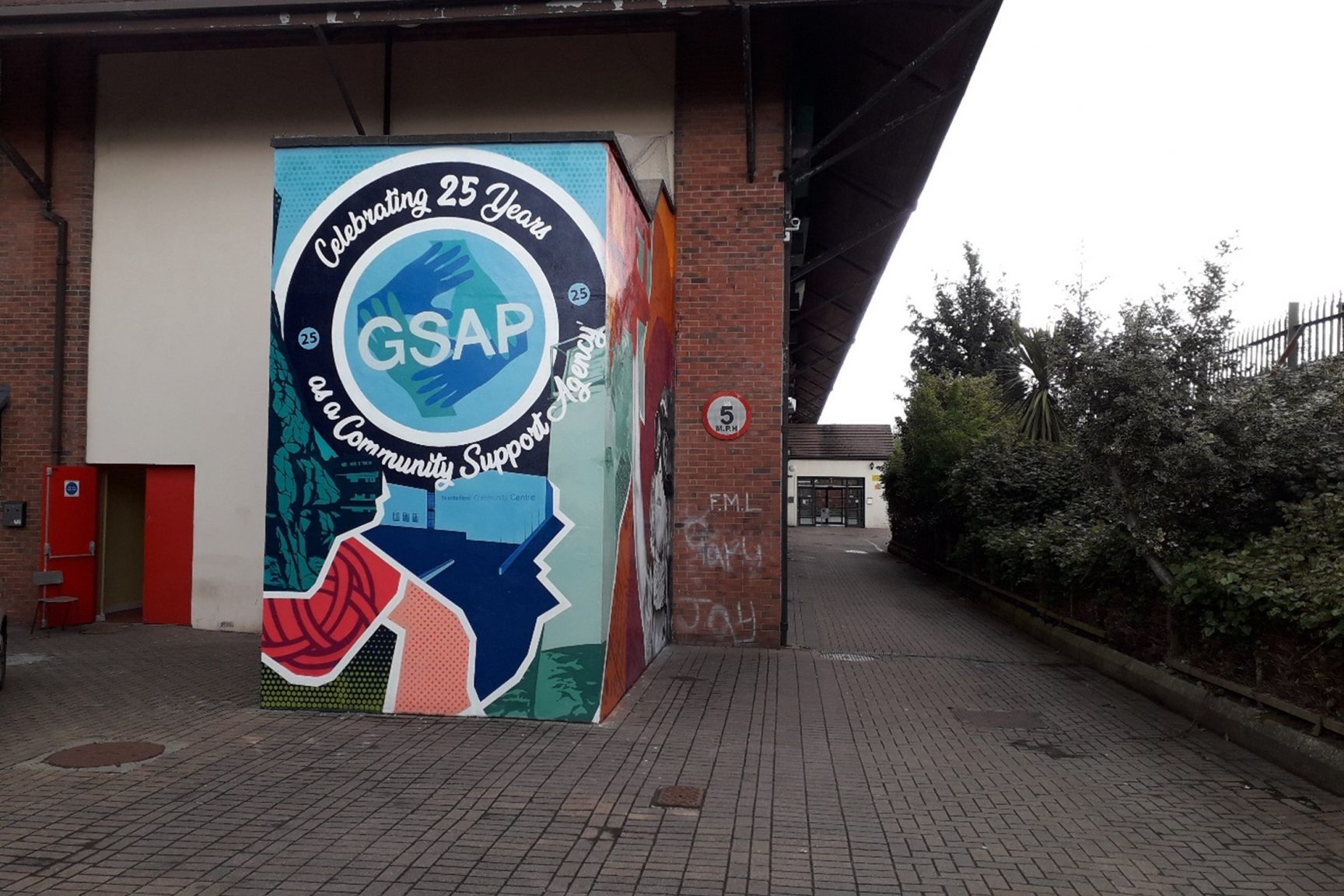
GSAP (Greater Shantallow Area Partnership) are harnessing the energy, ideas and expertise within their neighbourhood to save their community building and breath life into Shantallow.
GSAP (Greater Shantallow Area Partnership) is a community support agency located in Shantallow, Derry City, aimed at supporting the area's regeneration. Shantallow is one of the most deprived areas in Northern Ireland, facing interrelated issues such as limited investment, high levels of anti-social behaviour, and health inequalities.
GSAP applied to the Community ownership Fund (COF) in order to take their building – The northside community building - into community hands. The building is part of the Northside Village Centre – a key commercial hub in Greater Shantallow neighborhood. A wide range of people from across the community use the vital services and support delivered by GSAP. The Cost-of-living crises and issues exacerbated by Covid, have significantly increased demand for these services.
The building requires substantial investment and repairs, making it unsuitable for delivering some of GSAP's services. In addition, the Northside complex and the surrounding area are outdated and in a state of decline, facing competition from newer local commercial hubs. Many tenants are relocating, and trade is being lost.
The owners have no plans for investing in the building and have indicated that if the condition worsens, they may sell the land at the rear of the center to a local developer. This developer would likely demolish existing buildings and construct residential dwellings, resulting in the loss of the vital services provided by the community centre.
With these threats looming, the GSAP decided to purchase the community building. They believe that owning the community building would not only save the community centre but enable them to enhance and broaden their services and community spaces and to lead on re-generating and “reimagining” the wider area.
The GSAP team have said: “Through community ownership, we are convinced that the asset will thrive - leveraging resident-led action and harnessing the energy, ideas and expertise within our neighbourhood to create an inclusive space and revitalise this asset”.
Making a difference in the community
GSAP believes that acquiring the community building will provide immense benefits to the Shantallow neighborhood. Firstly, it will protect a crucial local facility and prevent the loss of vital services. Secondly, it will allow for the space to be refurbished and improved, making services more accessible to the community and generating future income for GSAP's sustainability and community investment.
Additionally, GSAP believe that the regeneration of the building can act as a catalyst for wider improvements and economic growth, fostering civic pride. After the building's purchase, GSAP will continue to support regeneration projects, such as art and cultural initiatives, and encourage community partnerships and participation.
“Through community ownership, we are convinced that the asset will thrive - leveraging resident-led action and harnessing the energy, ideas and expertise within our neighbourhood to create an inclusive space and revitalise this asset”.
Funding the project
GSAP secured funding for the project from various sources. The Community Ownership Fund awarded them £194,438, which covers 50% of the purchase price and associated conveyancing costs for the asset. The remaining 50% will come from internal reserves and a proposed loan, which they plan to repay over 8-10 years using rental income.
With the acquisition of the property completed, GSAP will now seek additional investment to renovate the building and revitalize the surrounding area.
Getting the right support
GSAP received valuable support from Enterprise North West, who conducted a Business Case/Feasibility Study for the purchase. This study addressed economic viability, sustainability, and value for money concerns.
Advice for other groups
GSAP believe that, although the match funding posed a real challenge, it ultimately helped them focus the project: “We believe that if 100% was available we would have faced much sterner competition for this investment. The fact that we were prepared to invest our own resources and take a loan meant we had to scrutinize long and hard what we were proposing to do”.
We were initially convinced that our proposal / approach to the Community Ownership Fund was a long shot and we grappled with whether or not the building would be considered a community asset. We knew that ownership and control of the asset would make a big difference to the quality of living within our community and that was what helped us to make the case that it should be defined as a ‘community asset’.
Create a free account
Create a My Community account today and get our latest resources and tools delivered straight to your inbox.